
Exploring the advancements in networking technology
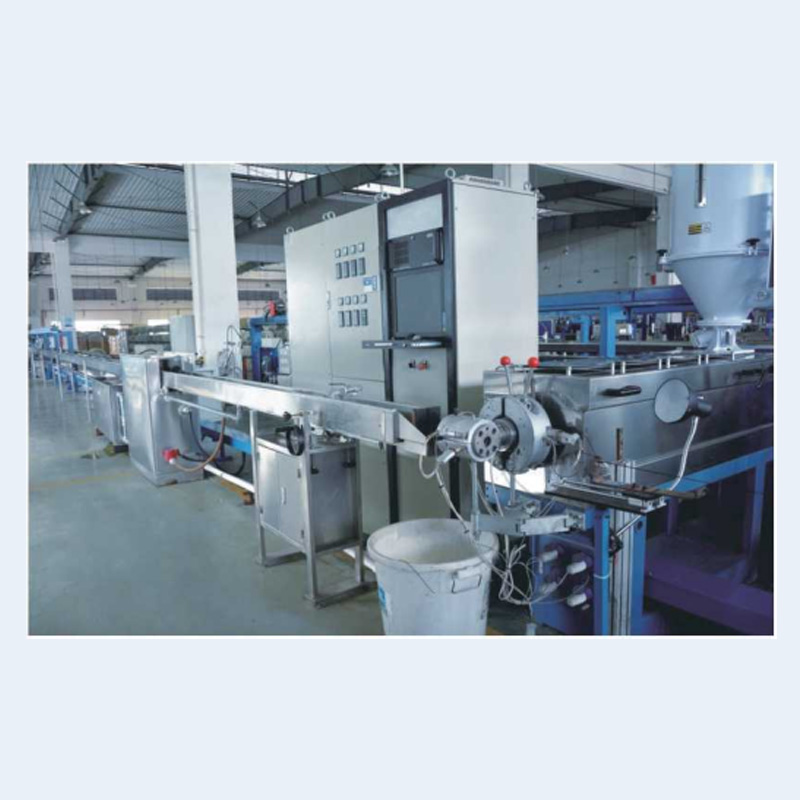
The world of networking technology has witnessed remarkable advancements over the years, with each new development bringing faster and more reliable connectivity. One such innovation is the introduction of twisted cable, which has revolutionized data transmission. This article delves into the evolution from Category 6 to Category 5 twisted cable, exploring the differences, advantages, and applications.
1. Introducing Category 5 Twisted Cable
Category 5 twisted cable, commonly known as Cat5, emerged as the industry standard for Ethernet networks in the 1990s. This type of cable consists of four pairs of twisted copper wires enclosed in a single sheath, offering reliable data transmission at speeds up to 100 megabits per second (Mbps).
One of the significant advantages of Cat5 is its affordability and widespread availability. It quickly became the go-to choice for both residential and commercial networking due to its cost-effectiveness and compatibility with various devices.
2. Upgrading to Category 6 Twisted Cable
As the demand for faster and more efficient data transmission grew, Category 6 twisted cable, or Cat6, emerged as the successor to Cat5. Cat6 features several enhancements that significantly improve network performance.
Firstly, Cat6 cables have stricter specifications regarding crosstalk, which is the interference between adjacent pairs of wires. This reduction in crosstalk allows for faster communication between devices and minimizes data errors. Moreover, Cat6 cables support data transfer speeds of up to 10 gigabits per second (Gbps) over short distances.
The advancements brought by Cat6 also include improved bandwidth, allowing for increased data capacity and higher frequency transmission. This makes Cat6 the ideal choice for modern applications that require large amounts of data, such as video streaming and cloud computing.
3. Applications and Considerations
Both Cat5 and Cat6 cables find extensive applications in various networking environments. Cat5 is suitable for most home and small business networks, providing reliable performance for everyday internet browsing, email communication, and file sharing.
On the other hand, Cat6 cables are preferred in scenarios where higher data speeds and increased bandwidth are necessary. They excel in professional settings, such as large corporations, data centers, and multimedia production facilities, where uninterrupted and high-quality data transmission is crucial.
When considering the switch from Cat5 to Cat6, it is important to take into account the compatibility of devices and the overall infrastructure. Upgrading to Cat6 requires compatible networking equipment, including routers, switches, and network interface cards, to fully utilize its capabilities.
Summary
The evolution from Category 6 to Category 5 twisted cable has propelled networking technology forward, enabling faster and more reliable data transmission. While Cat5 served as the industry standard for many years, Cat6 brought significant improvements in terms of speed, bandwidth, and performance. The choice between Cat5 and Cat6 depends on specific application requirements and the scale of the network, ensuring that users can enjoy seamless connectivity in both personal and professional settings.