
Introduction: The Mechanics behind a silicone extruder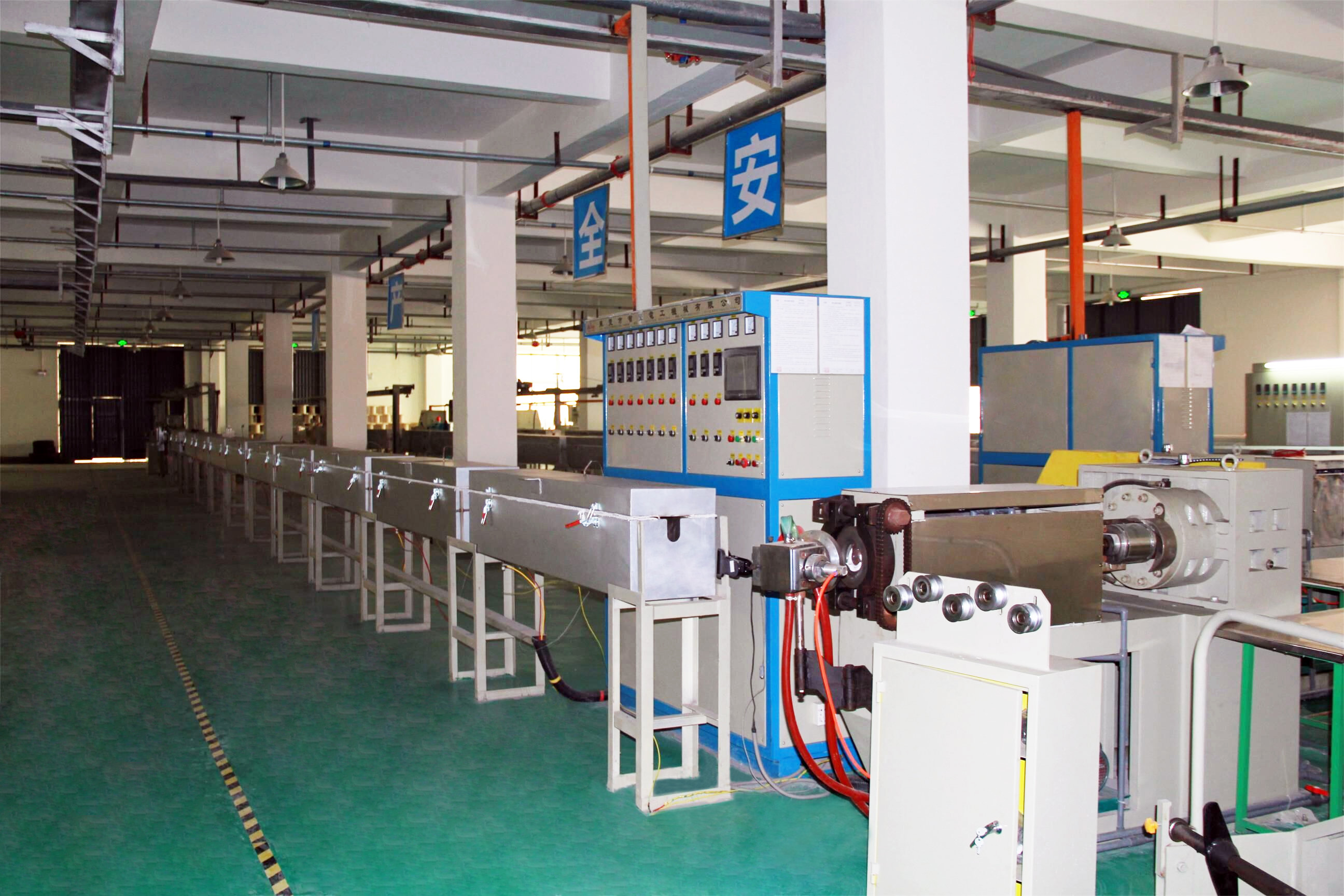 the silicone Extruder is a versatile machine that plays a criminal role in various Manufacturing Industries. Il est utilisé pour Shaping silicone materials into specific forms and Sizes. This article aims to provide a Comprehensive Understanding of how a silicone Extruder functions, shedding Light on Its Key Components, Working Principles, and Common applications (en anglais seulement)
Key Components of a silicone extruderthe silicone Extruder Constituents of Several Essential Components that work together to product desired Outputs (les composants d'un silicone extruderthe silicone extruderthe composants d'un silicone extruderthe silicone extruderthe work together to product desired Outputs qui fonctionnent tous pour produire des sorties conçues). Inclut:
The Hopper: This is where the Silicone material is loaded before being Fed into the Extruder (le Hopper est là où le silicone matériel est Loaded before being Fed into the Extruder). The Barrel: it Houses a heating element that Melts the Silicone and a rotating screw system that Pushes the material Forward (en anglais seulement) The Die: located at the barrel's end, it determines the shape and size of the extruded silicone (la vie: localisée à l'extrémité du mur, elle détermine la nuance et la taille de la silicone extrudée). The Cooling System: it Rapidly cools down the extruded silicone to ensure its Solidification. Le principe de travail d'un silicone Extruder le silicone Extruder est basé sur le principe de la conversion de l'énergie thermique et mécanique. Here is a step - by - step Explanation of its working process (en anglais seulement):
Étape 1: feeding matériel
The silicone material is loaded into the Hopper, and it gradually entries le matériau silicone est loaded into the Hopper, et il est gradually entré dans le mur due to Gravity.
Étape 2: Heating et Melting
The heating element inside the Barrel Melts the silicone, Converting it from solid to Liquid State.
Étape 3: Screw rotation
The Rotating screw system then Pushes the Molten silicone towards the die, Forcing it through a small Opening (le système de Screw rotatif qui pousse les silicones les plus faibles jusqu'à la die, Forcing it through a small opening).
Étape 4: Shaping et cooling
As the Silicone passes through the die, it takes on the shape and size determined par la die. Simultaneously, le système de Cooling rapide cools down the extruded silicone, solidifying it.
Applications communes de silicone extrusionsilicone extruders find Wide applications across Various Industries due to their versatility and Ability to Manufacture Complex shapes. Some Common Uses of Silicone Extrusion include (en anglais seulement):
Sealing and gasketing: silicone Extruded profiles are widely used in the Automotive and Aerospace Industries for Sealing applications. Tubing and hoses: Flexible silicone Tubing Finds Usage in Medical, Food Processing, and Beverage industries. Wire and Cable Coating: Silicone - Coated Wires and Cables offer excellente installation et protection contre les facteurs environnementaux. Extruded Seals: silicone Seals are common Employed in applications, Electronics, and Construction Sectors for their Durability and Resistance to Moisture and Chemicals (recherches sur le silicone sont utilisées en commun dans les applications, l'électronique, et les secteurs de construction pour leur durabilité et leur résistance à la Moisture et aux produits chimiques). Concessionunderstanding the Working Principles and Applications of Silicone extruders is crucial, given their Wide - ranging Utility in multiple industries. By Grasping the mechanisms behind these machines and the versatility they offer in shaping silicone Materials, Manufacturers can leverage their Benefits to product produits de haute qualité efficaces.