
Understanding the Different Types of twisted pair cables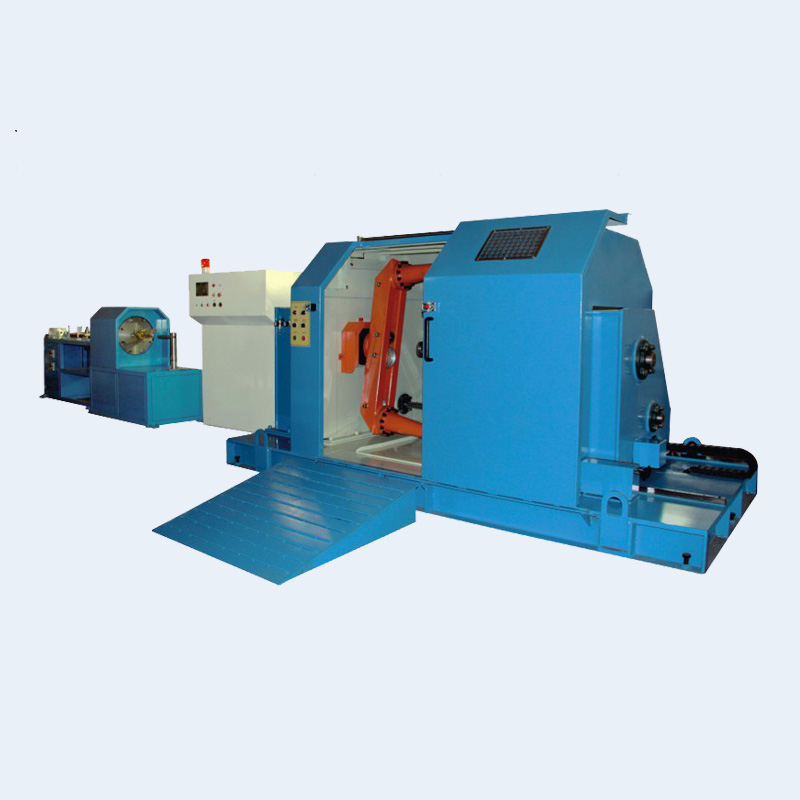 twisted pair cables are a popular and widely used form of Transmission Media in Networking and Telecommunications. Il s'agit de composer des paires de Copper Insulated Wires Twisted together, which helps minimize Electromagnetic Interference. In this guide, we will explore the six main categories of Twisted Pair cables, Their features, and their specific applications.
Catégorie 1 (cat1) cablescat1 cables were primarily used for Telephone Communications and are now considered outdated for data transmission. These cables have a Maximum Bandwidth of 1 MHz and are not suitable for transmitting High - Speed Data (en anglais seulement). Cat1 cables are most common found in Residential telephone installations and are not recommended for Network Connectivity (en anglais seulement)
Catégorie 2 (cat2) cablescat2 cables were an Improvement over cat1 Cables with a higher Bandwidth of up to 4 MHz. Il est principalement utilisé pour les réseaux token ring, qui ont maintenant été remplacés par plus de technologies avancées. Similar to cat1 cables, cat2 cables have become Obsolete and are not suitable for Modern Data Transmission requirements (similaires à des cables cat1, des cables cat2 ont une obligation supérieure et ne sont pas soumis à des exigences de transfert de données modernes).
Catégorie 3 (cat3) cablescat3 cables were widely used for Early Ethernet networks with Speeds up to 10 Mbps. Il y a une bande passante de 16 MHz et une bande passante de transmission de données et de voix de soutien. Pourquoi cat3 cables are still in use, they are primarily found in older installations and are not recommended for High - speed Networking due to they Limited Bandwidth (pourquoi cat3 cables are still in use, they are primarily found in older installations and are not recommended for High - speed Networking due to they Limited Bandwidth) (en anglais seulement)
Catégorie 5E (cat5e) cablescat5e cables are the most common used Twisted Pair Cables for Ethernet Networks. Il y a une bande de 100 MHz et peut supporter des vitesses de 1000 Mbps (1 Gbps). Cat5e cables are Backward compatible with Older Cable categories and are suitable for most residential and Commercial Networking needs.
Catégorie 6 (cat6) cablescat6 cables offer Improved Performance over cat5e Cables with a Bandwidth of up to 250 MHz. 10 connexions Gigabit Ethernet (10 Gbit / s) pour les courses de capsules courtes. Cat6 cables are common used in Data Centers and Professional Network installations where faster transmission speeds and Higher Bandwidth are required.
Catégorie 6A (cat6a) cablescat6a cables are an Enhanced version of cat6 cables, provideing even higher Performance and Bandwidth. Il existe une bande passante de 500 MHz et un support 10 Gigabit Ethernet Connections for Long Cable runs compared to cat6 cables. Cat6a cables are suitable for demanding applications such as Data Centers, server Farms et réseaux d'entreprise.
In jonction, Understanding the Different Types of Twisted Pair cables is essential for Selecting the right Cable Based on your network requirements (en conjonction, sous - estimer les types différents de paires doubles sont essentiels pour la sélection de la base de câble droite sur vos Requirements de réseau). While older Cable categories like cat1 and cat2 are inadequate for Modern data transmission, cat3 cables can still be used in specific Cases (en anglais seulement). Cat5e, cat6, and cat6a cables are the most common used and provide varying Levels of Performance and Bandwidth (les plus communs d'utilisation et de fourniture de niveaux variables de performance et de bande). By Choosing the approved twisted pair Cable category, you can ensure efficient and reliable Network Connectivity (en anglais seulement).