
Identifying the Root Causes of Cable Extruder Traction Failures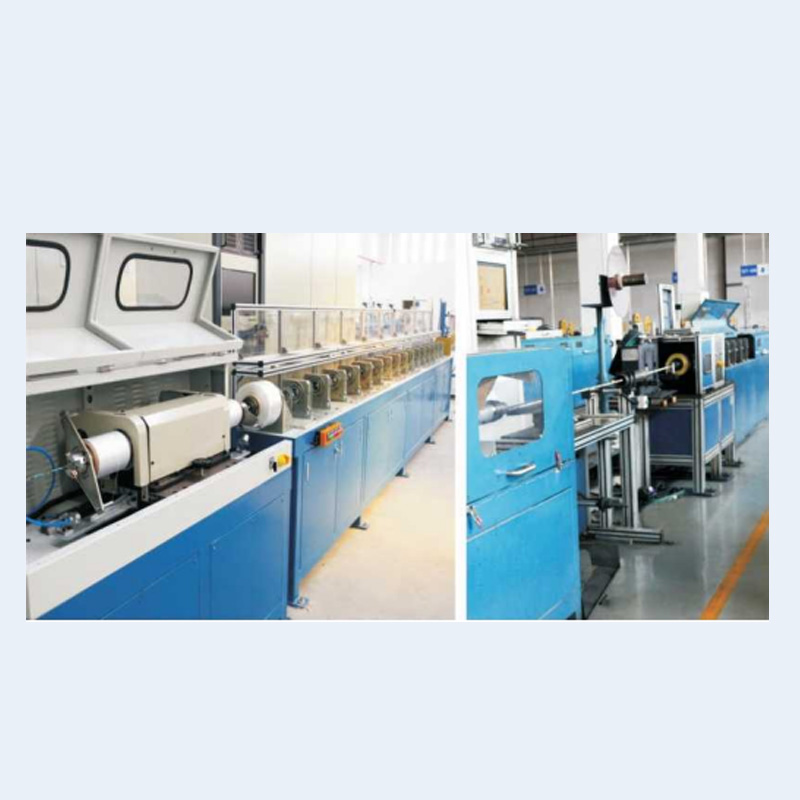 Cable extruder traction failures can hinder the productivity and efficiency of cable manufacturing processes. To ensure smooth operations,it is crucial to troubleshoot and address common causes of traction failures promptly. This article provides a comprehensive guide to understanding and troubleshooting these issues.
1. Insufficient LubricationOne common cause of cable extruder traction failures is insufficient lubrication. Without proper lubrication,the cable can experience higher levels of friction and resistance,leading to traction problems. To tackle this issue,it is essential to use high-quality lubricants that are suitable for the cable material being extruded. Regularly inspecting and maintaining the lubrication systems can also help prevent traction failures.
2. Improper Die Design or WearAnother significant factor contributing to traction failures is improper die design or wear. The die plays a crucial role in guiding the cable during the extrusion process. If the die is not designed properly or if it has excessive wear,it can result in uneven cable traction. Regular inspections and timely replacement of worn-out dies are essential to avoid traction problems.
3. Inconsistent Temperature ControlInconsistent temperature control during cable extrusion can also lead to traction failures. Fluctuations in temperature can cause the cable material to melt unevenly or become too rigid,resulting in traction issues. To address this problem,it is necessary to regularly calibrate and maintain temperature control systems. Ensuring the cable extruder operates within the recommended temperature range can significantly reduce traction failures.
In conclusion,cable extruder traction failures can be attributed to various factors such as insufficient lubrication,improper die design or wear,and inconsistent temperature control. By addressing these common causes promptly,cable manufacturers can minimize downtime,increase productivity,and enhance overall efficiency in their operations.