
Unveiling the Mechanics Behind a Cable Extruder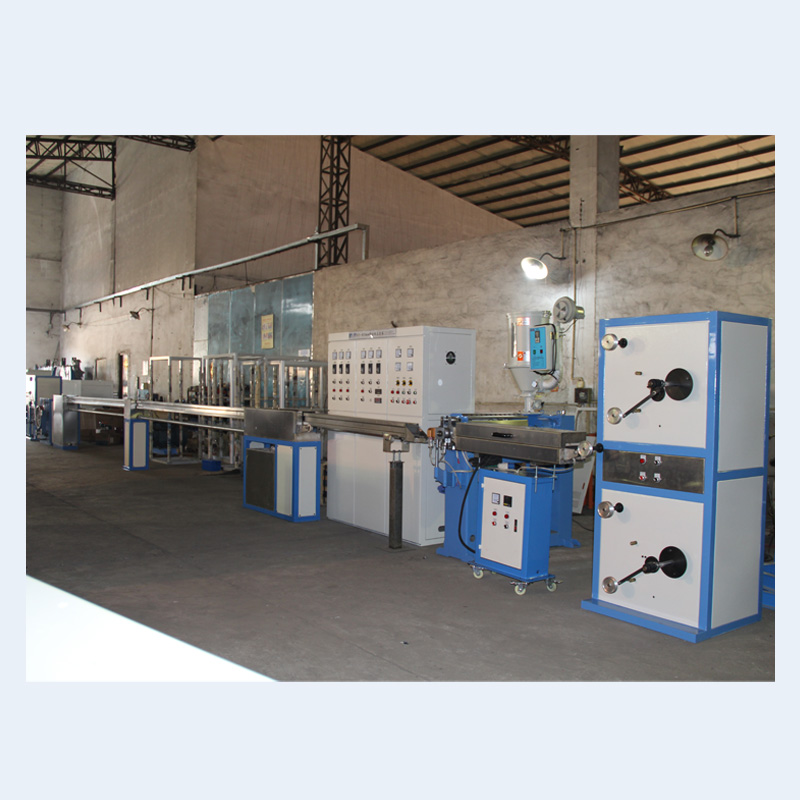 Learn how a cable extruder works by delving into the intricate process of cable manufacturing. Understanding the inner workings of this essential machinery helps to appreciate the complexity and efficiency behind producing high-quality cables. From the initial material preparation to the final product,every step plays a crucial role in ensuring reliable and durable cables for various applications.
1. Preparation of Raw MaterialsThe first step in cable extrusion is the preparation of raw materials. The cable manufacturer carefully selects and combines different types of plastics and other additives to create the desired cable properties. These materials are then processed,typically in pellet or powder form,to ensure optimal compatibility and homogeneity in the final cable compound.
Furthermore,a precise measurement of the raw materials is essential to ensure the consistency of the cable‘s electrical and mechanical properties. This step typically involves the use of automated systems that accurately weigh and mix the materials in accordance with the required specifications.
2. Extrusion ProcessOnce the raw materials are prepared,they are fed into the extrusion machine. The extruder consists of a cylindrical chamber with a rotating screw mechanism. The screw conveys the materials along the barrel,where they are heated and melted by heaters and the friction generated by the screw‘s rotation.
During the extrusion process,the melted polymer is forced through a die,which determines the shape and size of the cable. The die consists of a specially designed opening that imparts the desired cross-sectional shape to the molten polymer. As the molten polymer passes through the die,it undergoes a rapid cooling process,solidifying into the final cable shape.
3. Finishing and Quality ControlAfter extrusion,the cables undergo various finishing processes to meet specific requirements. These processes may include cooling,annealing,or surface treatment to enhance the cable‘s mechanical strength or electrical properties.
Quality control plays a vital role in cable extrusion. The cables are carefully inspected for dimensional accuracy,mechanical strength,electrical properties,and insulation thickness. Advanced testing methods such as voltage testing,conductivity testing,and tensile strength testing ensure that the cables meet industry standards and customer specifications.
In conclusion,a cable extruder is a sophisticated machine that transforms raw materials into high-quality,dependable cables. The meticulous preparation of raw materials,the precise extrusion process,and the stringent quality control measures all contribute to the production of reliable cables used in various industries. By understanding the intricacies of cable extrusion,one can truly appreciate the technology behind the cables that power our modern world.