
Revolutionizing Extruder Equipment to Improve Automation Level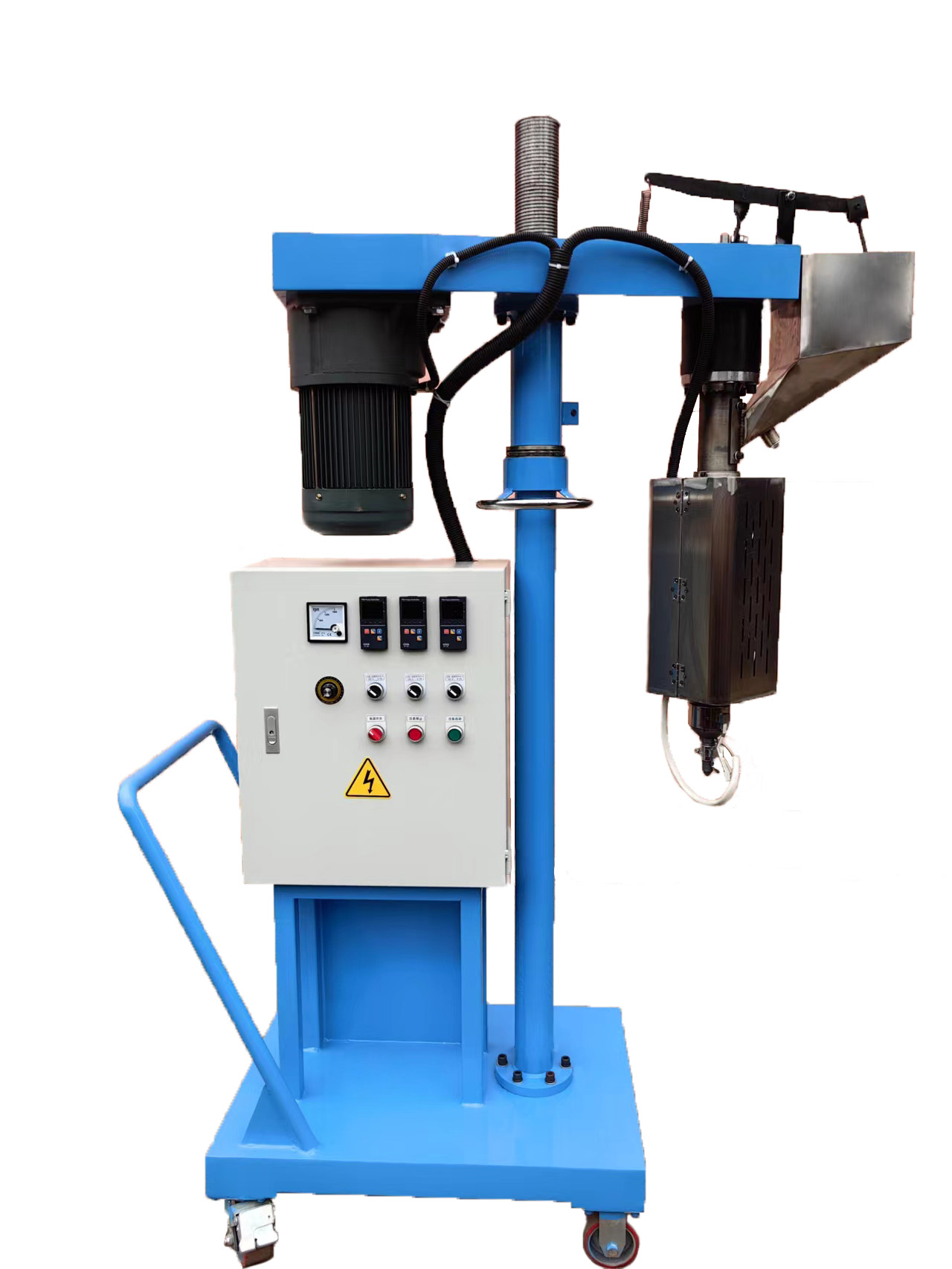 In the rapidly evolving field of Fiber to the Home(FTTH)cables,there is a growing demand for enhanced automation in extruder equipment to streamline production processes. As the need for high-speed internet connectivity expands,the industry must focus on increasing the output of FTTH cables. By leveraging advanced automation technologies,manufacturers can enhance efficiency,reduce costs,and meet the ever-increasing market demand.
1. Integration of Robotics and Artificial Intelligence(AI)One significant approach to improve the automation level of extruder equipment is through the integration of robotics and artificial intelligence. This entails employing robots equipped with AI algorithms to perform complex tasks,such as cable sheathing and insulation,with speed and precision. These intelligent machines can minimize human intervention,expedite production cycles,and ensure consistent quality.
2. Implementation of Real-Time Monitoring and Control SystemsIntroducing real-time monitoring and control systems is crucial for optimizing the automation level of extruder equipment. By utilizing sensors and IoT(Internet of Things)technology,manufacturers can gather data on various production parameters,such as temperature,pressure,and material flow. By continuously monitoring these factors,adjustments can be made in real-time,thereby minimizing defects,reducing downtime,and maintaining optimal productivity.
3. Adoption of Automated Material Handling SystemsAutomated material handling systems play a pivotal role in increasing the production capacity of FTTH cables. By employing robotic arms,conveyor belts,and smart storage solutions,manufacturers can streamline the flow of raw materials and finished products,ensuring smooth operations. These systems eliminate the need for manual material handling,reduce the risk of errors,and enhance overall efficiency.
Augmenting Production Capacity for FTTH CablesIncreasing the production capacity of FTTH cables is essential to meet the growing demand for high-speed internet connectivity. Alongside improving automation,manufacturers can employ several strategies to enhance production capacity.
1. Advanced Extrusion TechnologyInvesting in state-of-the-art extrusion technology is paramount for increasing the production capacity of FTTH cables. Upgrading extruder machines with high-speed and precision capabilities allows for faster cable production while maintaining superior quality standards. Advanced extrusion techniques,such as triple extrusion or multi-layer extrusion,enable the simultaneous manufacturing of multiple cables,significantly boosting output.
2. Optimized Production Planning and SchedulingEfficient production planning and scheduling are crucial for maximizing the production capacity of FTTH cables. By implementing advanced planning software and techniques like Just-in-Time(JIT)production,manufacturers can minimize idle time,reduce changeover periods,and optimize machine utilization. This results in a seamless and efficient production process,ultimately increasing the overall output.
3. Skilled Workforce Training and DevelopmentThe proficiency of the workforce is a vital factor in boosting the production capacity of FTTH cables. Investing in comprehensive training programs and skill development initiatives ensures employees are equipped with the necessary expertise to operate and maintain sophisticated extruder equipment effectively. A well-trained workforce can minimize downtime,prevent errors,and maximize production efficiency.
ConclusionThe automation level of extruder equipment and the production capacity of FTTH cables go hand in hand in meeting the demands of the rapidly growing internet connectivity market. By integrating robotics,AI,real-time monitoring,and automated material handling systems,manufacturers can significantly improve automation levels. Moreover,incorporating advanced extrusion technology,optimizing production planning,and investing in workforce training contribute to a substantial boost in production capacity. Embracing these advancements and strategies is crucial to stay competitive and cater to the escalating need for seamless FTTH cable production in the digital age.