
Analyzing Energy Consumption and Identifying Energy-Saving Measures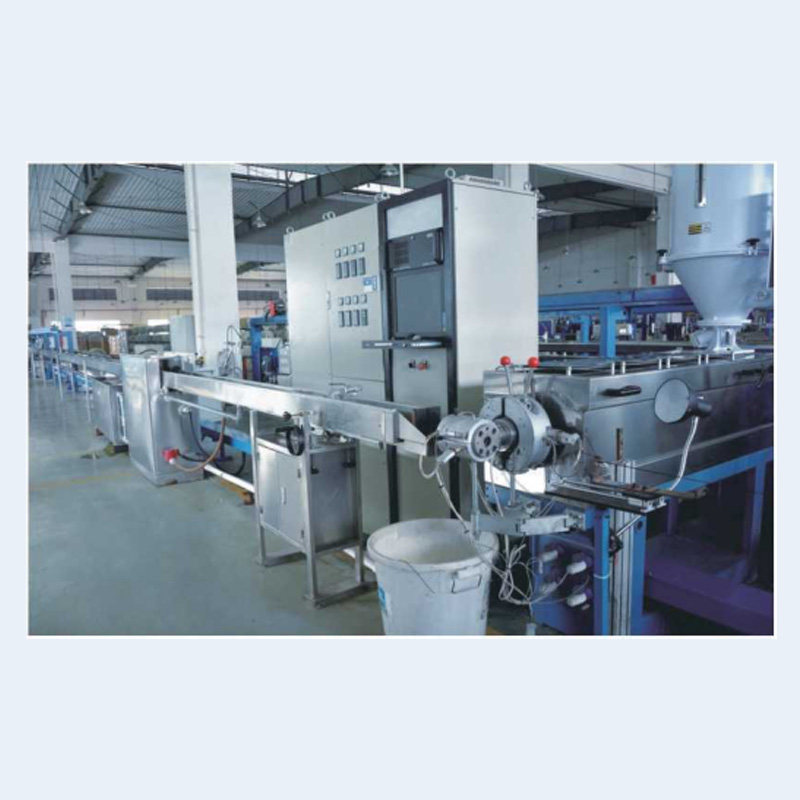 Power cable extruders are widely used in the manufacturing industry for the production of power cables. They play a critical role in ensuring the efficient and reliable transmission of electricity. However,the energy consumption of power cable extruders is substantial,leading to high operational costs and negative environmental impacts. This article aims to analyze the energy consumption of power cable extruders and propose energy-saving measures to reduce their environmental footprint.
Energy Consumption AnalysisThe energy consumption of power cable extruders involves various aspects,including the power input,heat generation,and auxiliary systems. The power input is primarily used for driving the extrusion process,cooling systems,and other equipment. Heat generation occurs due to the friction between the material and the extruder components. The auxiliary systems,such as cooling systems and motors,also contribute to energy consumption.
To accurately assess the energy consumption,power meters can be installed to measure the power input during the extrusion process. Additionally,thermocouples can monitor the temperature increase caused by heat generation. This data provides insights into the energy usage patterns and helps identify potential areas for improvement.
Energy-Saving MeasuresImplementing energy-saving measures not only reduces the environmental impact but also lowers operational costs. Here are several strategies to consider:
1. Efficient Extrusion Process: Optimizing the extrusion process can significantly reduce energy consumption. Adjusting the extruder speed,temperature,and pressure can minimize friction and heat generation.
2. Insulation: Proper insulation of the extruder barrel and components can prevent heat loss,reducing the energy needed to maintain the desired extrusion temperature.
3. Upgraded Cooling Systems: Upgrading cooling systems with energy-efficient alternatives,such as air-cooled systems or closed-loop cooling,can lessen the energy required for maintaining the desired temperature.
4. Energy Recovery: Implementing energy recovery systems can harness the excess heat generated during the extrusion process. This heat can be utilized for preheating materials or other energy-intensive processes,reducing the overall energy demand.
ConclusionAn in-depth analysis of energy consumption and the implementation of energy-saving measures are critical for reducing the environmental impact and operational costs of power cable extruders. By optimizing the extrusion process,improving insulation,upgrading cooling systems,and utilizing energy recovery systems,manufacturers can significantly minimize energy consumption. These measures contribute to a more sustainable and efficient power cable extrusion industry.