
Introduction: Advancements in Power Cable Extrusion Technologies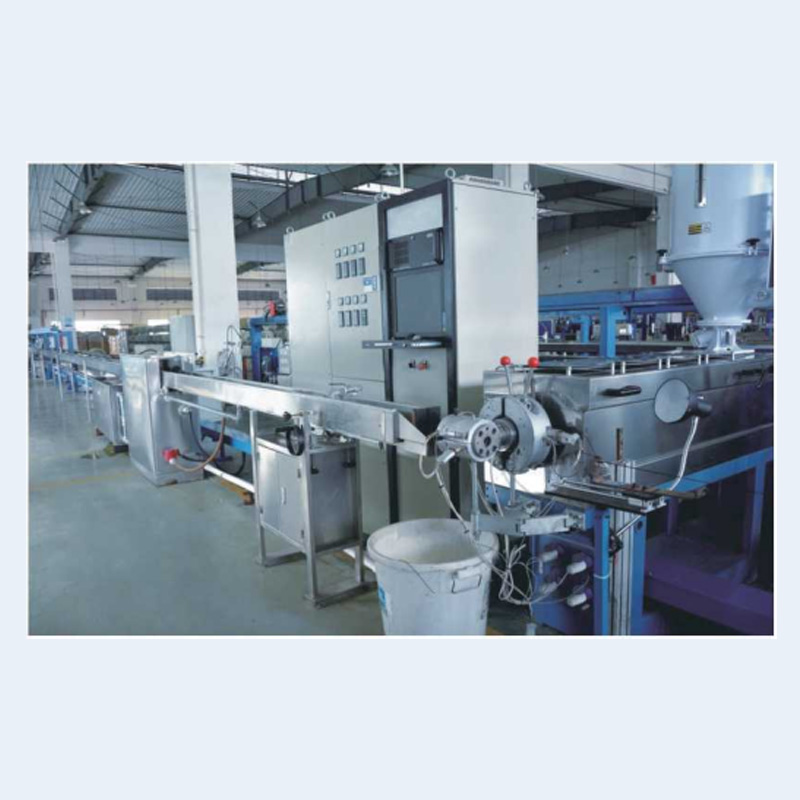 Power cable extruders play a crucial role in the manufacturing process of power cables. These machines are responsible for coating cable cores with insulation materials,ensuring their durability and electrical conductivity. In recent years,significant advancements in power cable extrusion technologies have revolutionized the industry,leading to the improvement of product quality and overall performance.
Enhanced Precision and ControlThe technical innovation of power cable extruders offers enhanced precision and control during the extrusion process. With the integration of advanced sensors and automation systems,these extruders ensure accurate thickness and concentricity of insulation layers. This enhanced precision eliminates potential defects like uneven thickness or overlaps,resulting in higher product quality with consistent electrical and mechanical performance.
Improved Material Selection and ApplicationAnother significant aspect of technological innovation in power cable extruders lies in improved material selection and application. Extruders now allow for better management of various insulation materials,including polyethylene,cross-linked polyethylene,and polyvinyl chloride. The integration of sophisticated material feeding systems ensures proper and even distribution of these materials,resulting in uniform insulation thickness and increased overall product strength.
The ability to incorporate fillers and additives into the insulation materials is another advantage offered by modern power cable extruders. By adding fillers such as carbon black or aluminum trihydrate,cable manufacturers can enhance the cable‘s flame resistance,heat dissipation,and mechanical strength. This versatility in material selection and application contributes significantly to the improvement of product quality.
Enhanced Efficiency and Quality ControlTechnological innovations in power cable extruders have led to enhanced efficiency and quality control throughout the manufacturing process. These extruders are equipped with advanced monitoring and feedback systems that continuously assess critical parameters such as temperature,pressure,and extrusion speed. Real-time data analysis allows prompt adjustments and early detection of any deviations,minimizing production errors and ensuring consistently high-quality output.
Furthermore,the integration of smart manufacturing features,such as remote monitoring and data analytics,enables proactive maintenance and optimization of the extrusion process. This translates to reduced downtime,improved productivity,and enhanced product quality,meeting increasingly stringent industry standards and customer expectations.
ConclusionThe significance of technical innovation in power cable extruders cannot be underestimated as it plays a vital role in improving the product quality of power cables. By providing enhanced precision and control,improved material selection and application,as well as enhanced efficiency and quality control,these advancements contribute to the development of highly reliable power cables with superior electrical and mechanical properties. Embracing and investing in these technological innovations is crucial for manufacturers to stay competitive in the ever-evolving power cable industry.