
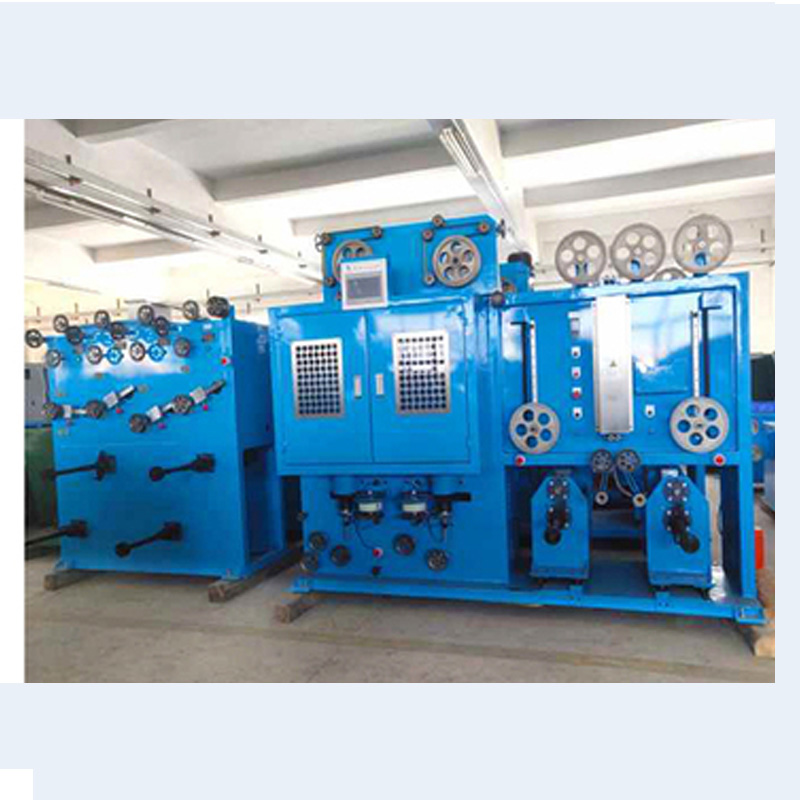
 Understanding Cable Extruder Temperature Adjustment
Cable extruder temperature adjustment plays a crucial role in ensuring the quality and efficiency of cable manufacturing. The temperature at which the plastic or polymer material is melted and extruded plays a significant role in determining the final properties of the cable,such as its insulation,conductor bonding,and overall durability. This article explores the importance of adjusting cable extruder temperature and its impact on cable quality.
Finding the Optimal Temperature Range
One of the key challenges in cable extrusion is finding the optimal temperature range for the specific material being used. Different types of plastics and polymers have different melting points and temperature sensitivities. It is essential to consult the manufacturer‘s guidelines and conduct thorough testing to determine the appropriate temperature range for extrusion. Adjusting the temperature within this range helps achieve the desired cable characteristics,including smoothness,consistency,and dimensional accuracy.
Effects of Improper Temperature Adjustment
Failure to adjust the cable extruder temperature correctly can result in a range of quality issues. If the temperature is too low,the plastic material may not melt completely,leading to poor bonding between the conductor and insulation. This can result in reduced mechanical strength and increased risk of electrical failures. On the other hand,if the temperature is too high,the plastic may degrade,leading to the generation of harmful by-products,increased viscosity,and reduced cable flexibility. It is crucial to avoid both under heating and over heating by maintaining a uniform temperature throughout the extruder.
Best Practices for Temperature Adjustment
To ensure optimal cable extruder temperature adjustment,several best practices should be followed:
Regular temperature monitoring: Install appropriate sensors and thermocouples along the extrusion line to monitor temperature variations accurately. This allows for prompt adjustments when needed. Process validation: Periodically conduct trials with different temperature settings to find the ideal parameters for each cable type. This ensures consistent cable quality and minimizes wasted materials. Personnel training: Train operators on the significance of temperature adjustment and the potential consequences of improper adjustment. This empowers them to make informed decisions and troubleshoot any temperature-related issues that may arise. Equipment maintenance: Regularly maintain and calibrate temperature control equipment to ensure accurate and reliable temperature readings. This reduces the risk of temperature fluctuations and improves overall manufacturing efficiency. Conclusion
Cable extruder temperature adjustment is a critical factor in cable manufacturing,directly impacting product quality and performance. By understanding the optimal temperature range,avoiding improper adjustments,and implementing best practices,manufacturers can produce cables with superior mechanical and electrical properties. Prioritizing temperature control ensures consistent performance and enhances customer satisfaction.